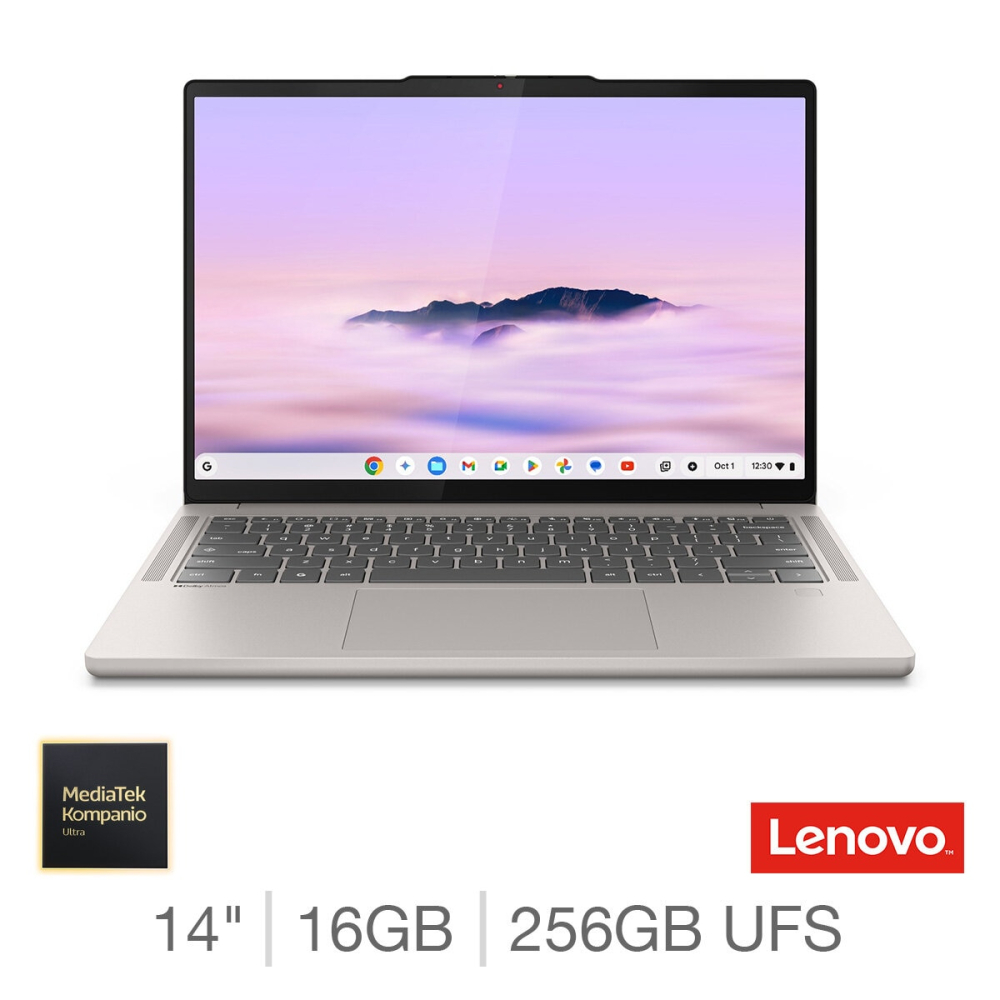
Lenovo Chromebook Plus, MediaTek Ultra, 16GB RAM, 256GB UFS, 14 Inch Laptop, 83MY0004UK
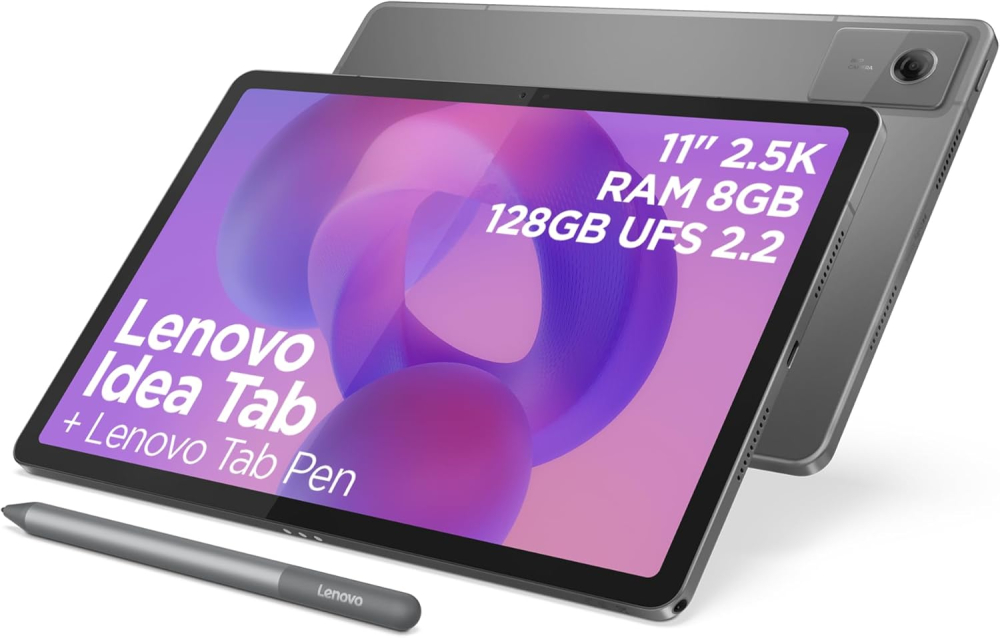
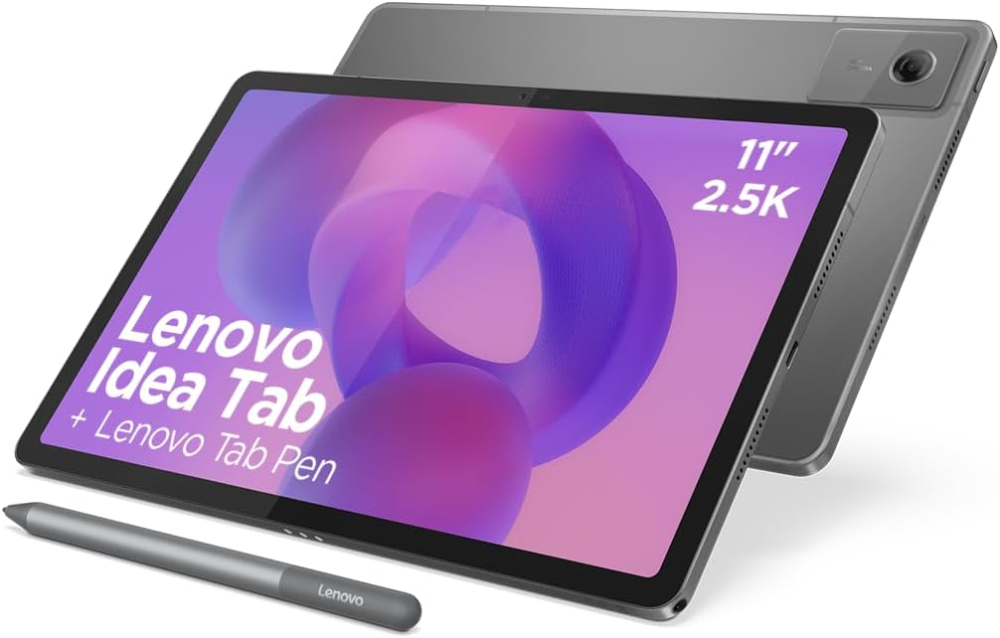
Lenovo Idea Tab Android Tablet | 11 inch 2.5K (2560×1600) Display | MediaTek Dimensity 6300 | 4GB RAM | 128GB UFS 2.2 | Wi-Fi 5 | Luna Grey | including Tab Pen
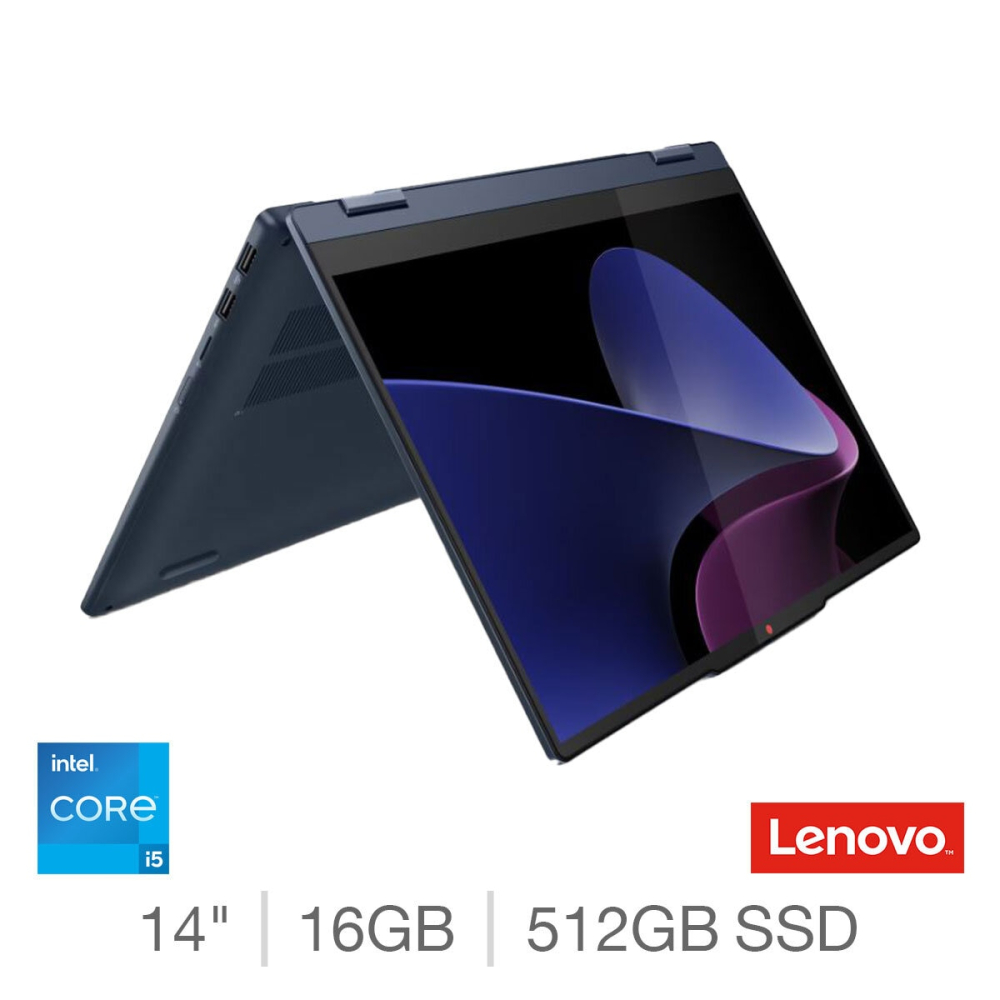
Lenovo IdeaPad 5, Intel Core i5, 16GB RAM, 512GB SSD, 14 Inch OLED Convertible 2 in 1 Laptop, 83KX005FUK
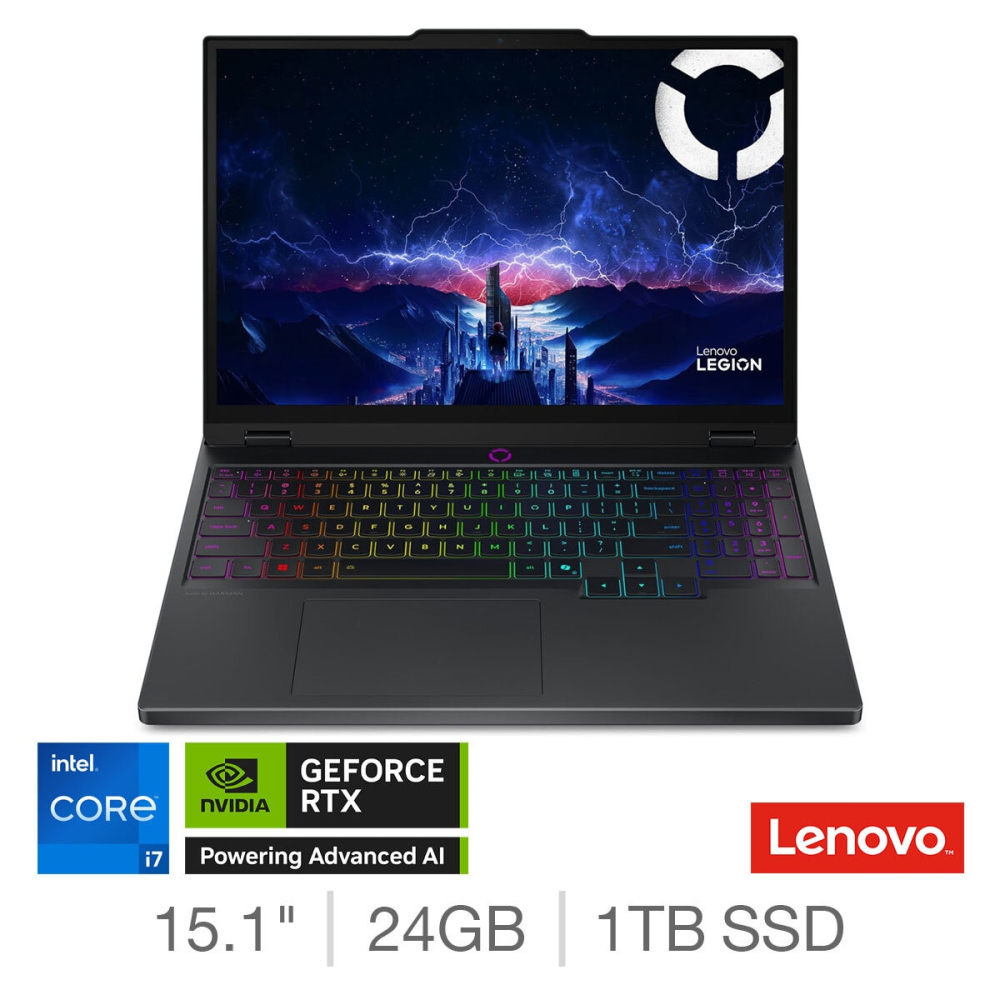
Lenovo Legion 5, Intel Core i7, 24GB RAM, 1TB SSD, NVIDIA GeForce RTX 5070, 15.1 Inch, Gaming Laptop, 83LY00A5UK
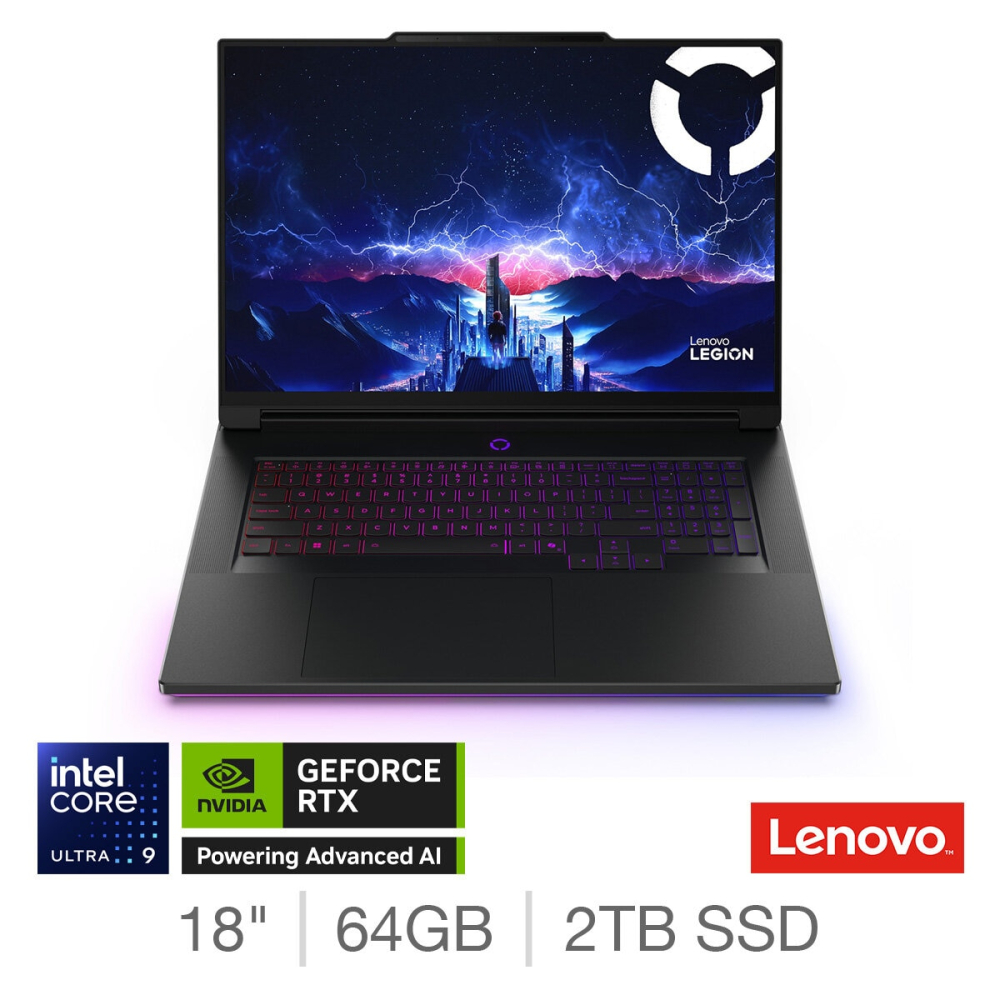
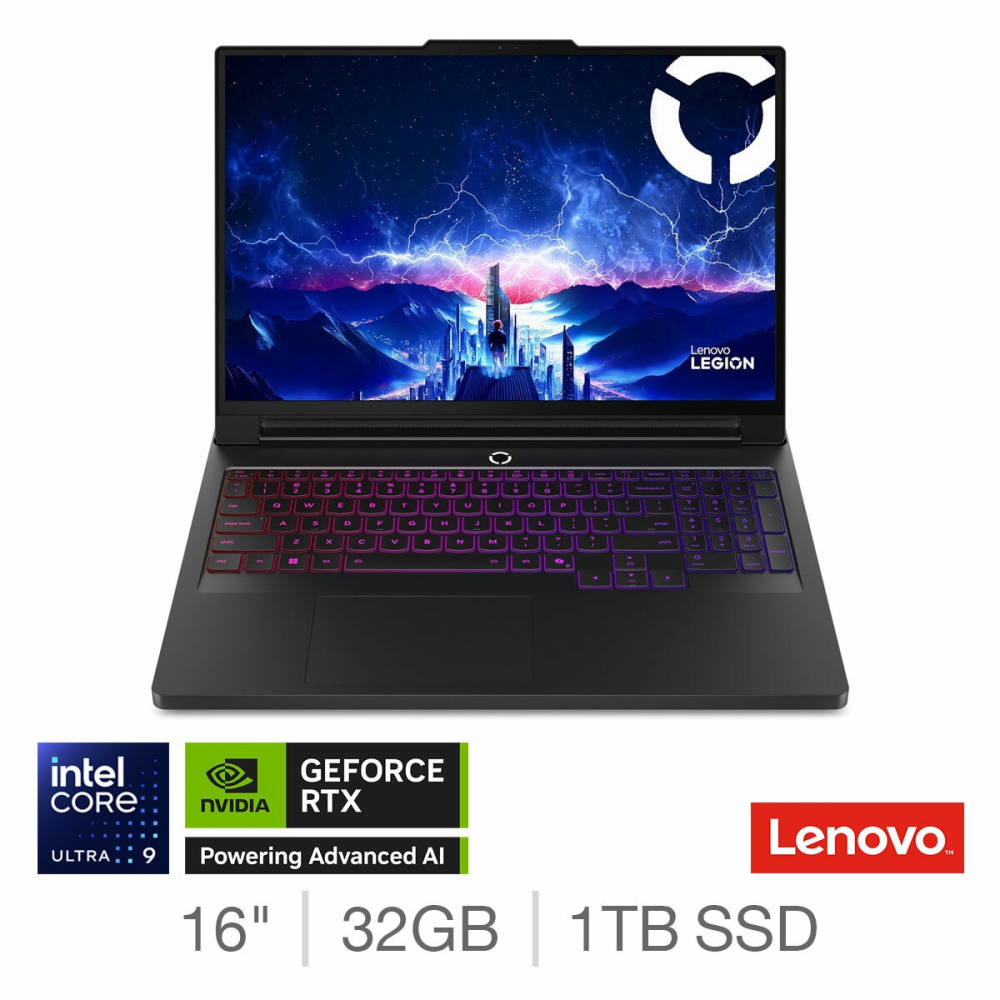
Lenovo Legion Pro 7, Intel Core Ultra 9, 32GB RAM, 1TB SSD, NVIDIA GeForce RTX 5080, 16 Inch, OLED Gaming Laptop, 83F5000RUK
Online store of household appliances and electronics
Then the question arises: where’s the content? Not there yet? That’s not so bad, there’s dummy copy to the rescue. But worse, what if the fish doesn’t fit in the can, the foot’s to big for the boot? Or to small? To short sentences, to many headings, images too large for the proposed design, or too small, or they fit in but it looks iffy for reasons.
A client that’s unhappy for a reason is a problem, a client that’s unhappy though he or her can’t quite put a finger on it is worse. Chances are there wasn’t collaboration, communication, and checkpoints, there wasn’t a process agreed upon or specified with the granularity required. It’s content strategy gone awry right from the start. If that’s what you think how bout the other way around? How can you evaluate content without design? No typography, no colors, no layout, no styles, all those things that convey the important signals that go beyond the mere textual, hierarchies of information, weight, emphasis, oblique stresses, priorities, all those subtle cues that also have visual and emotional appeal to the reader.